Choosing windows is one of the decisions that directly influence the comfort of a home. They bring natural light indoors, but glazed surfaces can also contribute to heat loss in winter or excessive solar heat gain in summer. Windows affect noise levels, ventilation, facade design and the connection between indoor and outdoor spaces.
At first, the choice may seem to come down to a few questions: PVC or aluminium? Double or triple glazing? What colour should the frames be? In reality, these answers should follow an analysis of the house, not come before it.
The right window is not necessarily the one with the longest list of technical features. It is the one whose dimensions, materials, glazing and opening type respond to the needs of the home and the people who live in it.
Start with the Architecture, Not the Window Model
Two windows of the same size may require different solutions. Their position, orientation and the purpose of the room all matter.
South-facing windows can benefit from solar heat during colder months but require an appropriate shading strategy for summer. West-facing glazing may increase the risk of overheating in the afternoon. In north-facing rooms, where direct solar gain is more limited, thermal insulation becomes particularly important.
The purpose of the room also changes the priorities. In a living room, generous glazing can open views towards the garden. In a bedroom, quietness and thermal comfort may matter more. In kitchens and bathrooms, convenient ventilation is important for everyday use.
This is why every window in a house does not have to be identical. A carefully designed home can combine different configurations while maintaining a coherent architectural appearance.
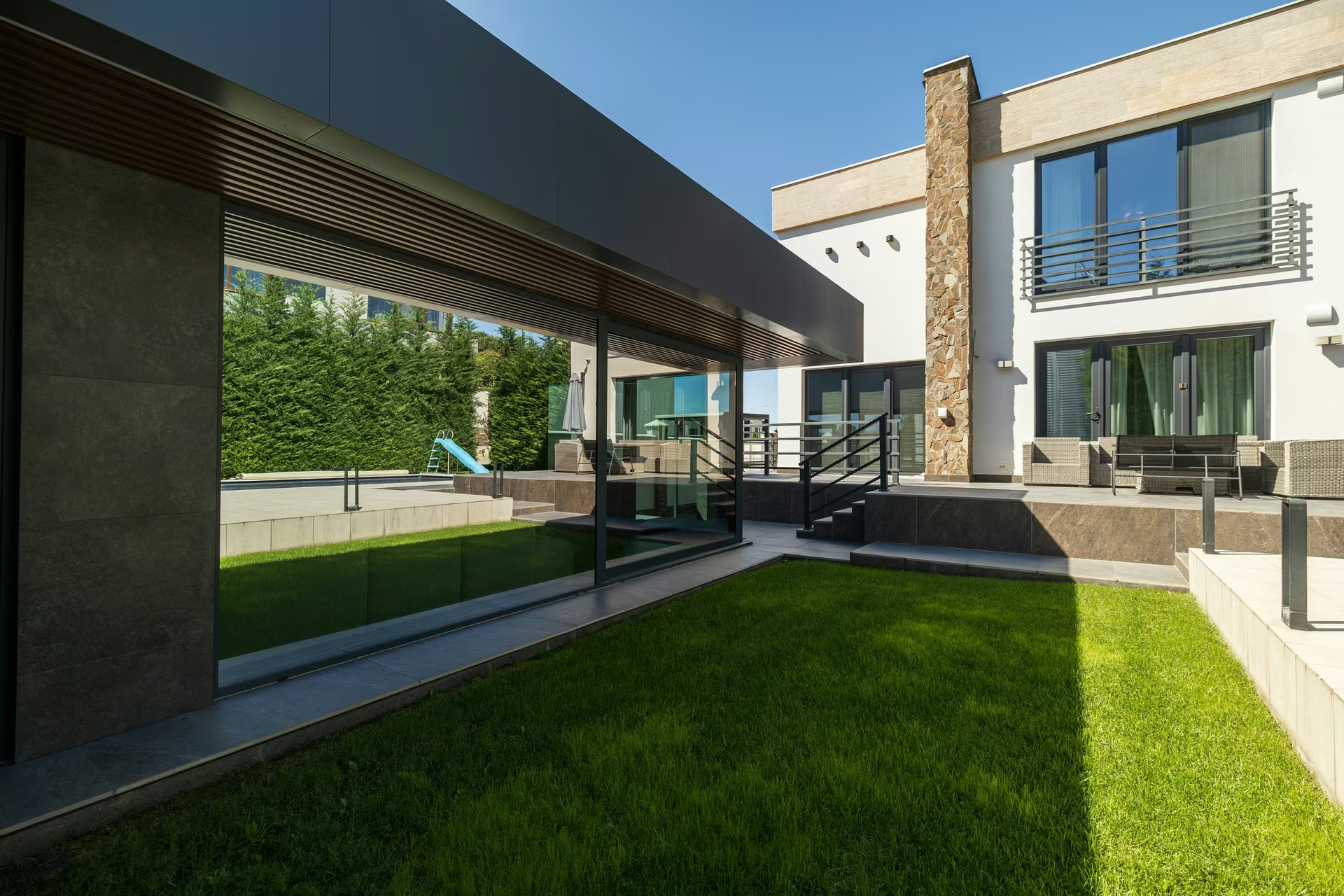
Thermal Comfort Is Measured, Not Promised
When comparing windows, many homeowners focus primarily on the number of glass panes. But choosing between double and triple glazing should not be separated from the other components.
Thermal performance depends on the frame, glass type, special coatings, spacers and the configuration of the complete assembly. Three indicators are particularly useful when reviewing a quotation: Ug describes heat transfer through the glazing, Uf refers to the frame, and Uw represents the thermal performance of the complete window. The lower the U-value, the lower the rate of heat transfer.
Another indicator, the solar factor or g-value, describes the proportion of solar energy entering through the glazing. Selecting the appropriate value can significantly influence comfort in rooms with large glass surfaces.
The question, therefore, is not simply how many panes a window has. It is more important to understand the performance of the complete configuration and how it responds to the actual conditions of the house.
PVC or Aluminium? There Is No Universal Winner
Both PVC and aluminium are used in residential projects, but each material has characteristics that may make it more appropriate for particular applications.
PVC systems are commonly chosen for conventional residential windows. Multi-chamber profiles can provide good thermal insulation, while the variety of configurations allows them to suit many projects and budgets.
Aluminium offers rigidity and dimensional stability, making it a frequent choice for generous glazed openings and architectural solutions with particular structural or aesthetic requirements. Thermally broken systems can also meet residential thermal comfort requirements.
However, a meaningful comparison should be made between actual systems with documented dimensions, glazing configurations and performance values, not simply between material names.
In some homes, the right solution may combine conventional windows with specialised systems for panoramic glazing. The important thing is that the choice follows the project.
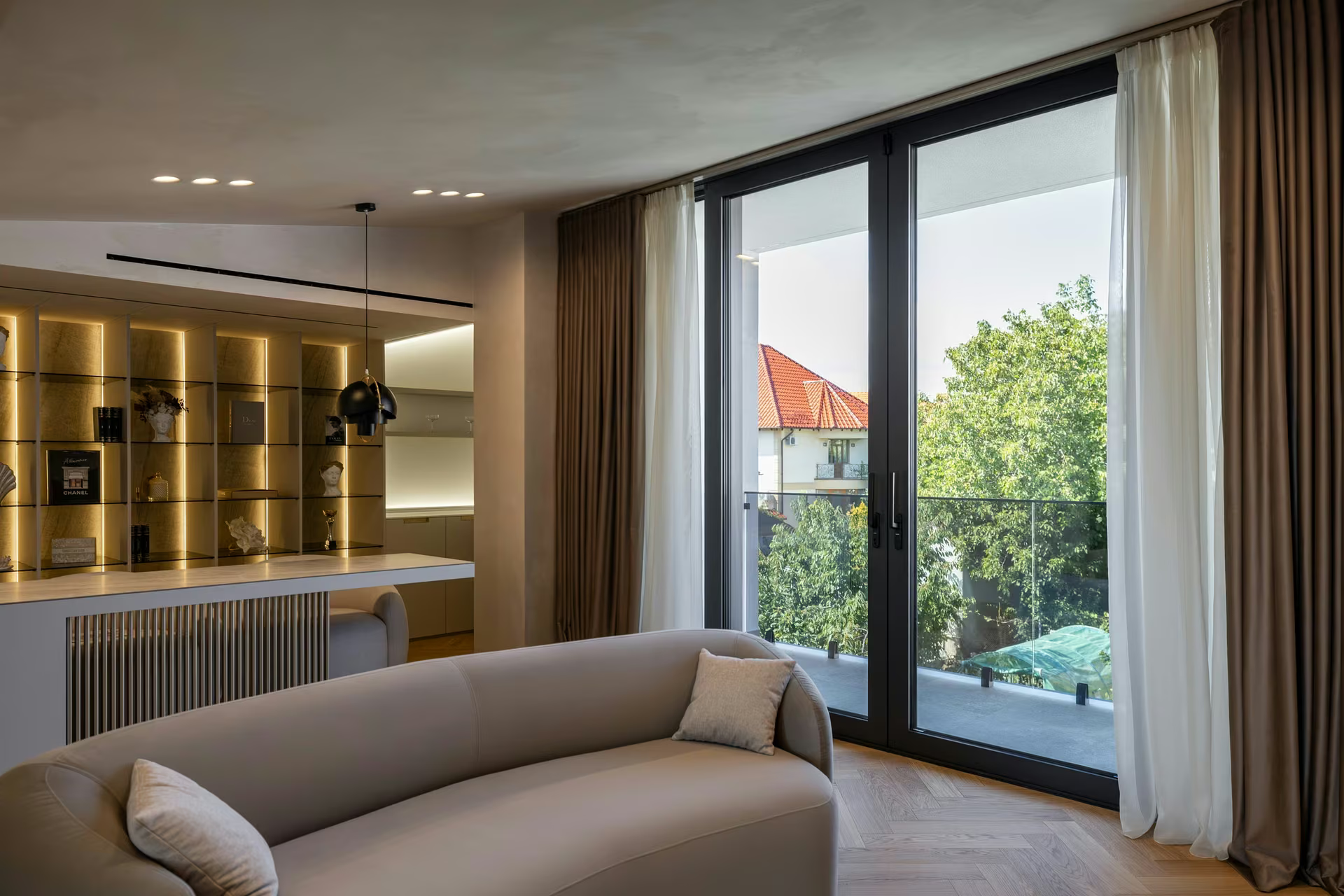
Large Windows Require More Than Slim Frames
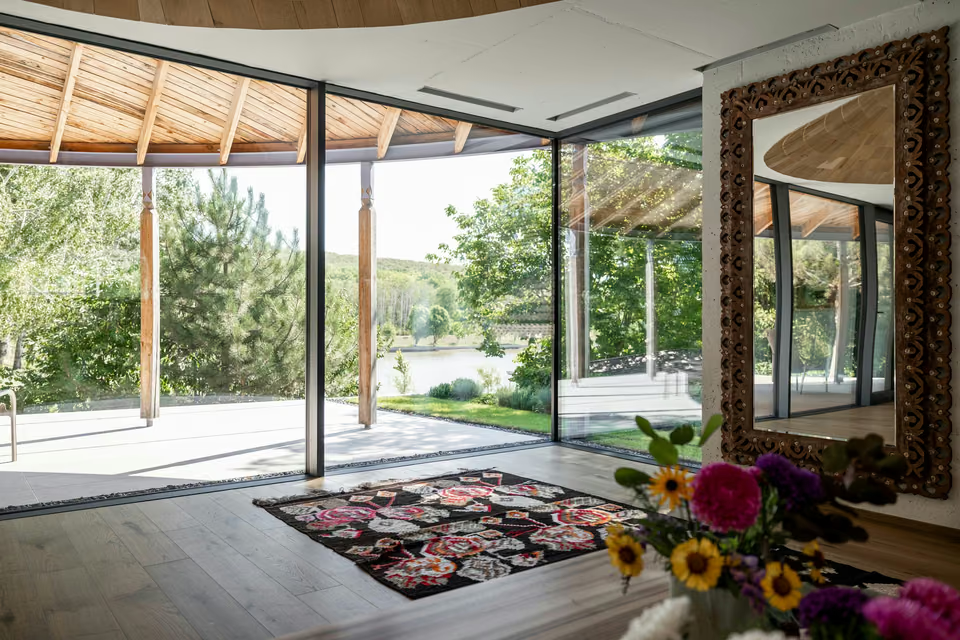
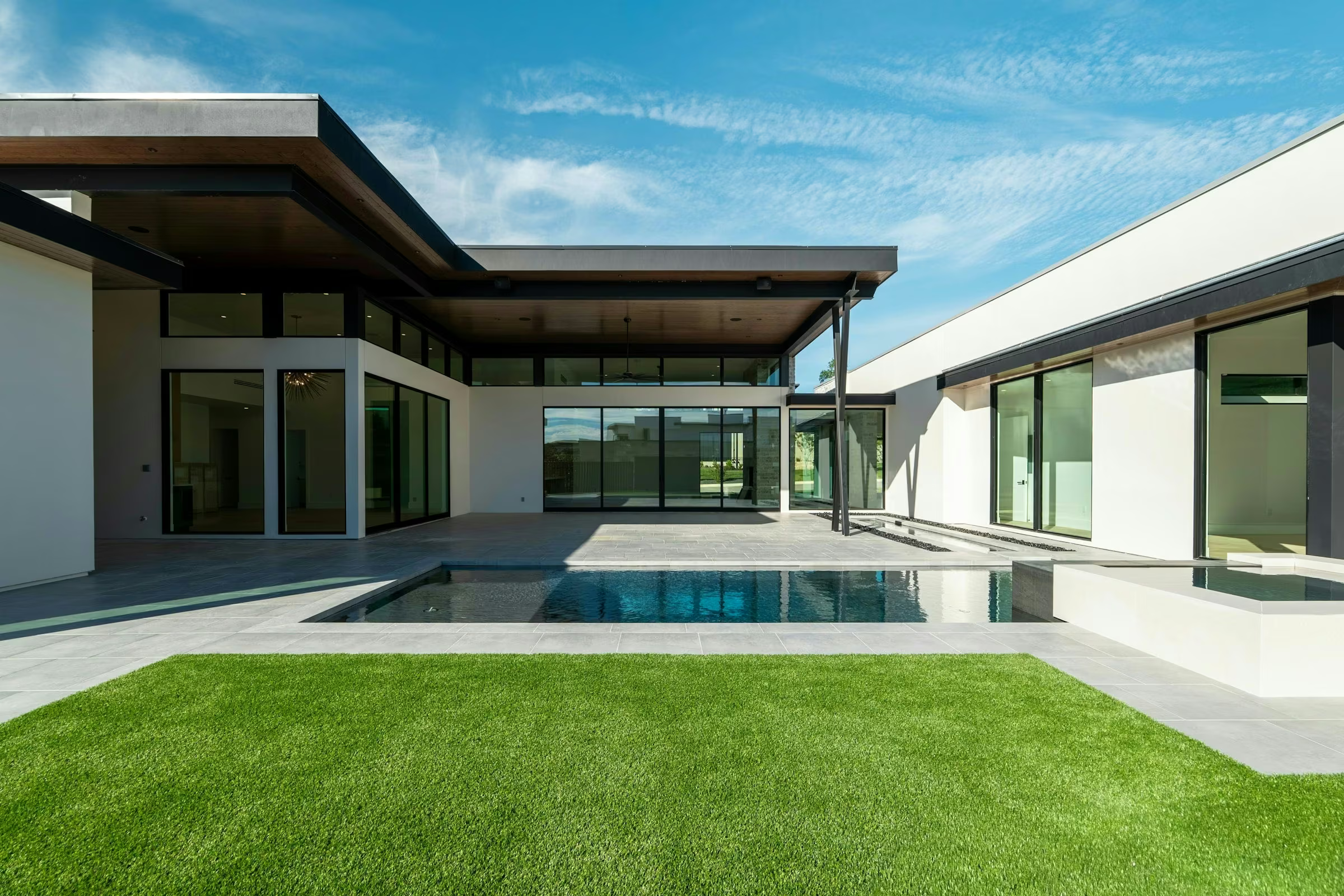
Generous glazing can transform an interior. It brings in more daylight, opens up the view and creates a natural visual connection between the home and the garden. However, panoramic openings also involve different technical requirements from conventional windows.
As dimensions increase, glass weight, system rigidity, hardware capacity and fixing methods become particularly important. Not every frame or opening mechanism supports the same dimensions or moving-element weights.
The opening type also needs consideration. Fixed glazing provides light and views. Tilt-and-turn windows allow ventilation, while sliding systems can facilitate access to a terrace without the space required for a hinged sash.
Sometimes, the most balanced solution combines fixed glazing with strategically positioned operable elements. This keeps the architecture coherent while giving each opening a clear practical purpose.
High-Performing Windows Also Need Proper Installation
Good performance figures on a technical sheet are not enough if a window is installed incorrectly.
Positioning within the opening, mechanical fixing and sealing of the joint between the frame and wall influence how the complete assembly performs. Installation errors may lead to air or water leakage, cold areas around the window and difficulties operating moving elements.
Some problems appear immediately; others become visible over time. This is why measurement, system selection and installation should not be treated as independent stages.
A well-prepared project starts with actual dimensions and the specific characteristics of the building. The technical solution needs to consider both the product and its integration into the wall, surrounding materials and conditions of use.
Installation is not simply the final stage of the work. It is part of the performance the homeowner experiences every day.
What to Check Before Ordering Your Windows
A complete quotation should explain more than the price and dimensions. Before making a decision, it is useful to clarify which system is proposed, what glazing will be used, how the entire window performs and how it will be installed.
It is also worth asking why some elements are fixed while others are operable, whether additional solar protection is needed and what maintenance the chosen configuration requires.
These details help homeowners compare quotations more accurately and avoid compromises that may be difficult to correct after construction is complete.
At Plastregal, choosing the appropriate solution can begin with an analysis of the architectural plans, dimensions and requirements of the home. The objective is to identify a configuration in which frames, glazing, hardware and installation work together.
The right windows are not selected by a single criterion. They are the ones that respond appropriately to the house, the space and the way it will be lived in.